




What Is a UGC Ad? A Clear Definition and Playbook
Learn what a UGC ad is, how it differs from influencer content and polished brand creative, and how to make one that converts.
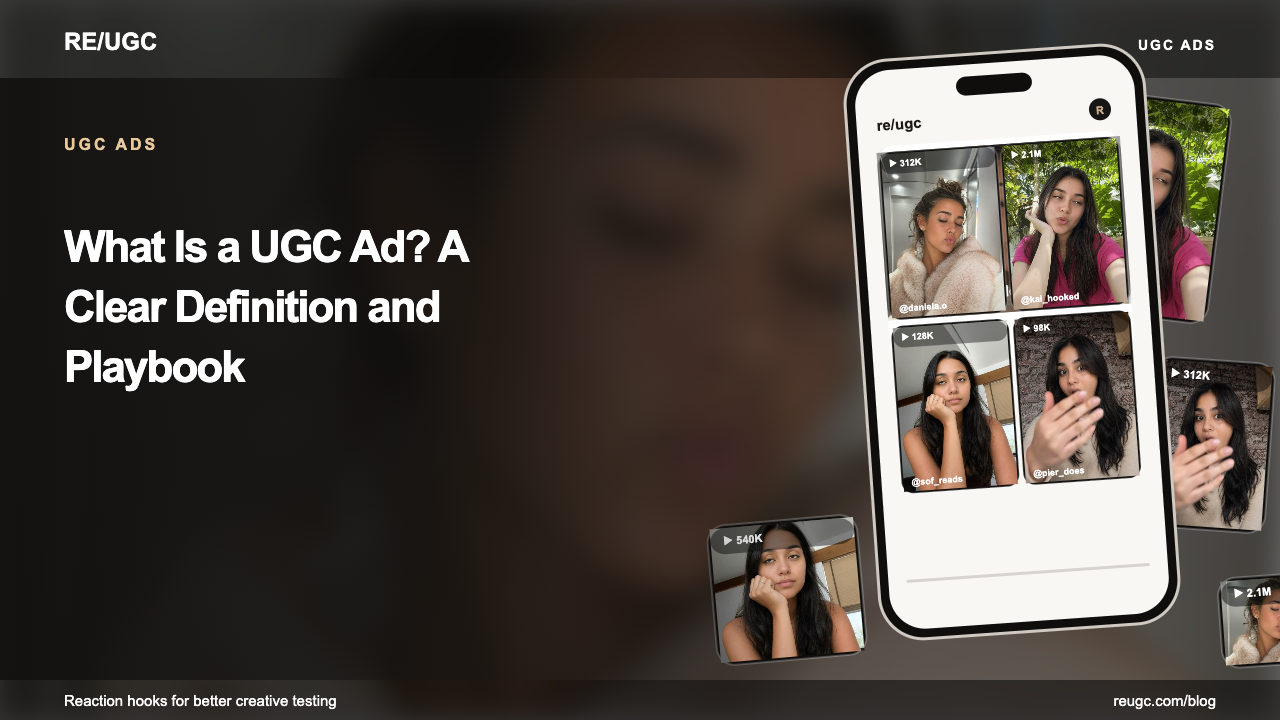
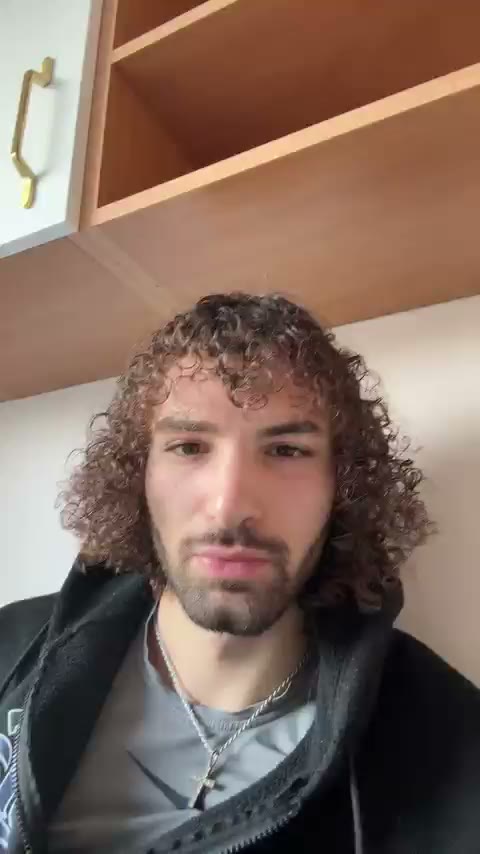
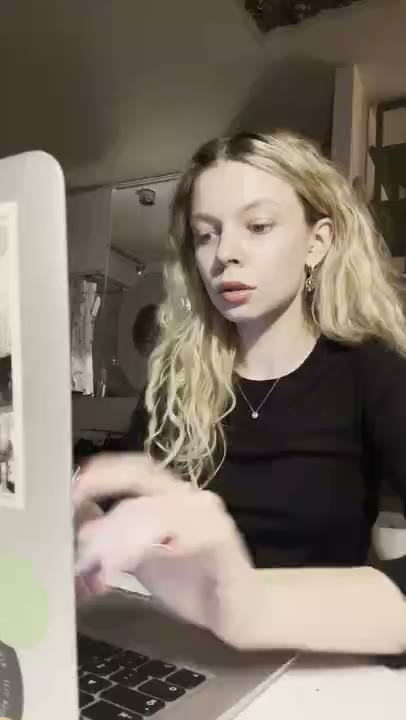
A UGC ad is paid creative that uses the style, voice, and social proof of user-generated content to promote a product. It may feature a real customer, a commissioned creator, a founder, or licensed footage, including AI UGC, combined with a product demo. The defining trait is the creator-style format, not proof of a person's experience.
That distinction matters because the feed rewards it: ads that pattern-match to 'person' get the two seconds of attention every other outcome depends on, while ads that pattern-match to 'commercial' get skipped. If you want the broader picture first, start with What is UGC?, then return here for the paid-ad mechanics — or jump straight to the UGC ads playbook for the operational version.
UGC ad versus other content
| Content | Primary job | Typical feel |
|---|---|---|
| Organic UGC | Community and trust | Unplanned, low polish |
| Influencer sponsorship | Borrowed reach and endorsement | Creator-led, audience-specific |
| Brand video | Positioning and explanation | Controlled, polished |
| UGC ad | Performance acquisition | Native, direct, testable |
The categories overlap. A customer testimonial can become a UGC ad when you license it and put paid distribution behind it. A creator post can become an ad when it is authorized for advertising. Calling a polished commercial 'UGC' does not make it native; viewers notice when the language and pacing are too controlled. The line between UGC and influencer marketing is worth drawing carefully — the UGC vs influencer marketing comparison covers it in depth.
The four formats you'll actually ship
1. Reaction + demo
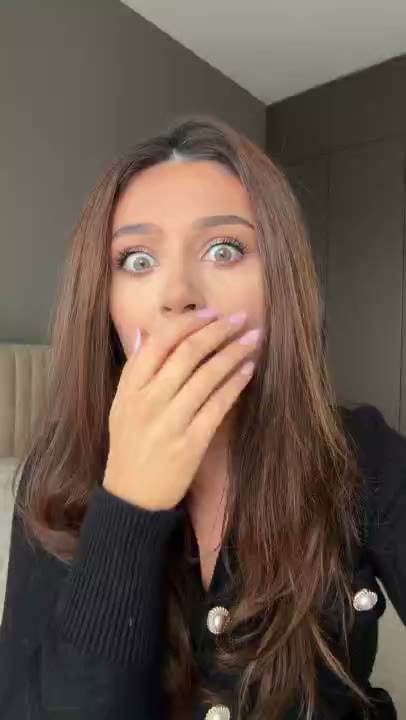
A 3–5 second filmed or AI UGC reaction with a bold caption, hard cut to a screen-recorded demo. The dominant format for apps and SaaS because screens can't stop scrolls but faces can. The reaction mechanics live in our reaction hooks guide.
2. Testimonial talking-head
Direct-to-camera 'here's what happened when I used this.' The workhorse of mid-funnel and retargeting — by the time someone has seen your hook ad, the testimonial answers the 'yeah, but is it actually good?' objection.
3. Unboxing / first-impression
The viewer experiences the reveal with the creator in real time. Strongest for physical products and subscriptions; the app equivalent is the 'first 60 seconds using it' screen capture with live voiceover.
4. Problem–agitate–solve skit
A 10–20 second mini-story: the frustration acted out, the pivot, the product as relief. The POV grammar of TikTok makes these read as content, not ads. Script structures for all four formats are in the UGC scripts template library.
The anatomy of a useful UGC ad
- Hook: a specific tension, reaction, question, or result in the first one to two seconds.
- Context: who the speaker is and why the problem matters to them.
- Proof: a product-in-use moment, screen recording, comparison, or credible result.
- Objection: a short answer to the reason a viewer might hesitate.
- CTA: one low-friction next action that matches the landing page or app store.
Why UGC works in paid social
Native creative reduces the gap between the viewer's feed and the advertiser's message. A direct claim can still work, but a person demonstrating the claim gives the audience something to evaluate. UGC also creates more variables to test: different faces, emotions, openings, niches, and objections can point the platform toward different pockets of demand.
- It beats ad blindness. Feeds have trained users to skip anything that pattern-matches 'commercial.' UGC pattern-matches 'person.'
- Platforms reward it. Higher hold rates and thumbstop ratios lower effective CPMs — the same budget buys more, better-priced reach.
- It's cheap enough to test properly. A studio shoot produces one expensive creative; the same budget in UGC produces twenty variations.
- Trust transfers. Viewers process a genuine customer's account as evidence, not persuasion — the same mechanism as word of mouth, at ad scale. AI UGC reactions are creative assets, not customer evidence.
A simple production workflow
- Collect five customer problems and the exact language customers use to describe them.
- Choose one problem and write hooks in five different mechanisms: warning, POV, result, confession, and comparison — pull from the hook ideas file.
- Record or source one fixed demo that proves the central promise.
- Create variants by changing the opener and framing, not every part at once.
- Review hold rate, click-through rate, and conversion separately so you know which layer failed — the creative testing framework shows how to read those signals.
Common mistakes
- Starting with a logo or 'Hey guys' introduction.
- Using broad praise such as 'game-changing' without evidence.
- Making the creator deliver five unrelated benefits.
- Using customer footage without documented paid usage rights. The checklist is in our UGC rights guide.
- Sending a strong ad to a landing page that does not repeat its promise.
Production value is not a ranking factor in the feed — pattern-matching to 'person' is. The roughness isn't the strategy's failure; it's the strategy.
Frequently asked questions
Does UGC have to come from a real customer?
No. A commissioned creator can make effective UGC-style creative. Be accurate about testimonials, endorsements, and results, and secure the rights needed for paid use.
Is UGC only for TikTok?
No. The format works on TikTok, Reels, Shorts, Meta feeds, and many in-app placements. Adapt the opening and safe areas to each placement — see [best platforms for UGC ads](/blog/best-ugc-ad-platforms).
How long should a UGC ad be?
Start with 15 to 30 seconds for cold traffic. Longer versions can work when the proof or objection needs more context, but every second should advance the viewer.
What's the difference between UGC and a creator ad?
UGC-style ads are commissioned or licensed content optimized for performance acquisition and testing. Creator posts are native content optimized for reach and audience trust. The [UGC vs influencer](/blog/ugc-vs-influencer-marketing) post draws the full line.
How much does a UGC ad cost to make?
Roughly $60–$300 per video from creators or marketplaces, $1,500+/month via agencies, or a flat fee for licensed clip libraries — before media spend. Full math in the [UGC ad cost](/blog/ugc-ad-cost) guide.
Do I need permission to use a customer's video?
Yes. Organic customer content requires explicit permission or a license before paid usage. Creator contracts should name paid usage and duration, and licensed libraries should include commercial rights up front.