



A learning app is easier to grasp when the message starts with something a person can do today. Review a few flashcards, practice one phrase, or return to a saved lesson. Those actions give a short clip a specific subject without promising mastery.
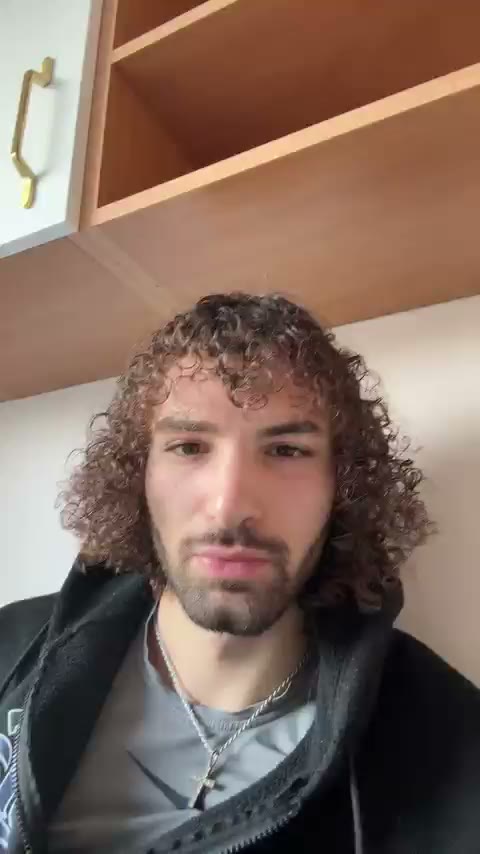
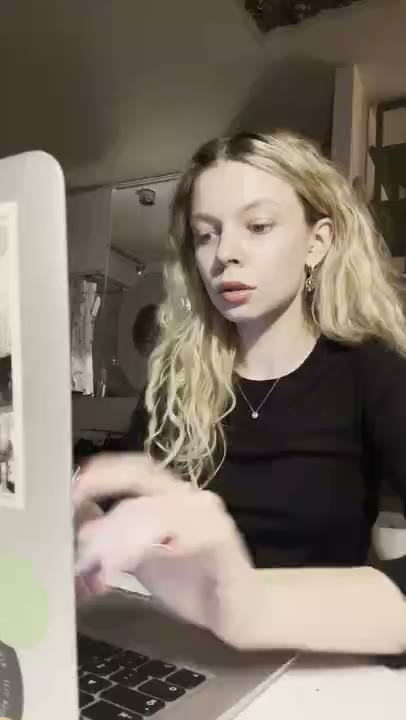
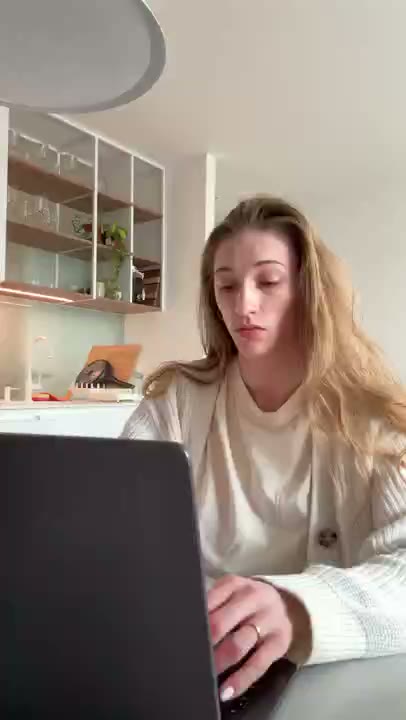
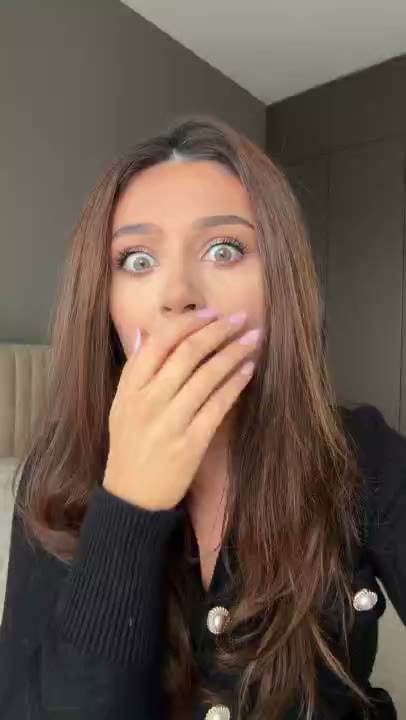
Pair the action with an AI creator expression that fits the experience: curiosity at a new idea or satisfaction at completing a small practice session. Make it clear that the person is an AI character, not a student reporting a grade, qualification, or language-learning result.
Start with a moment, not a feature list
The momentA learner has a small break and wants to know what to practice next.
Who it is forPeople exploring a repeatable learning habit or a specific practice tool.
Choose a reaction that fits
Curious and quietly pleased reactions fit discovery and practice. A dramatic reaction should not suggest guaranteed academic achievement.
Three messages to build from
These are illustrative hooks, not customer quotes. Adapt them only to features your app actually supports.
A few minutes free. One small thing to practice.
Introduces a short lesson or review session.
Pick up the lesson where you left it.
Fits saved progress and return-to-learning features.
Turn a topic into a practice session you can come back to.
Explains reusable practice without claiming instant expertise.
Build the clips in RE/UGC
- Enter your website. Review the product information RE/UGC finds. Correct missing context before using it as the basis for your messages.
- Choose your AI creators and reactions. Pick expressions that fit the idea. Each character is AI-generated, not a customer testimonial.
- Generate and review your batch. Check that the on-screen copy describes real features. Remove unsupported claims and make the message easy to read.
- Export and post. With paid access, edit the text and choose text, music, and 1–12 repeats for the MP4. Add any app screen recording in your own editor, then upload the finished video yourself.
Let the product supply the proof
Record an accurate example lesson using non-identifying sample data. Show the question, learner action, and feedback clearly. If answers are generated, review them before recording and avoid presenting a mock score as an actual student's achievement.
Plan a useful first comparison
Create one batch about starting and one about coming back. In the first, compare the short-session hook with the topic-based hook. Keep the lesson and audience consistent. A later batch can compare creator reactions once the promise is understood.
What to look for after posting
Look at lesson starts, completed practice, and return visits where those are relevant to the product. A high click count is not proof that a learning outcome improved.
There is no guaranteed winning reaction or message. Decide what you want to learn before posting, and keep a record of the creative version and destination so the next batch has a clear purpose.
Common questions
Does RE/UGC generate a demo of my app?
No. It creates branded AI reaction clips with on-screen text. Record your app separately and combine it with an exported reaction in an external editor if your concept needs a demo.
Are the creators actual users of my product?
No. They are AI-generated characters. Do not present their reactions or sample captions as real customer experience.
Can I change the text or leave the music out?
Paid access unlocks editing and downloads. Export options let you include or omit text and music, and choose a repeat count from 1 to 12.