

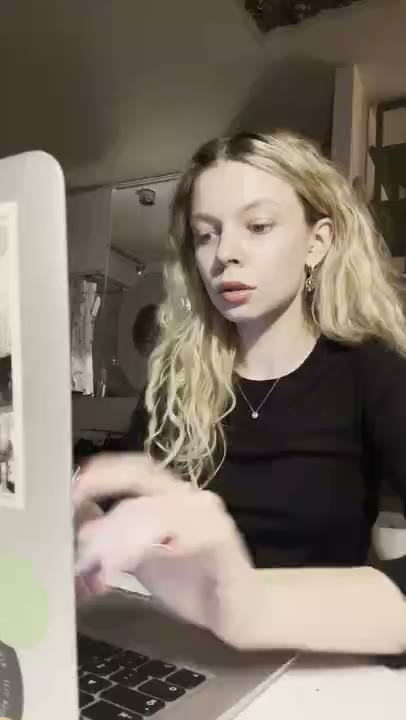

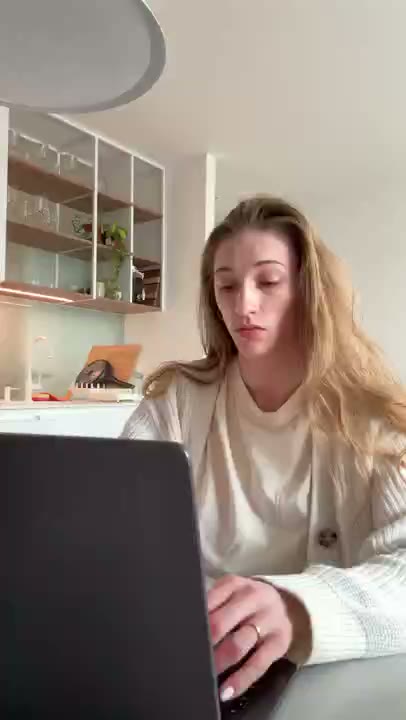

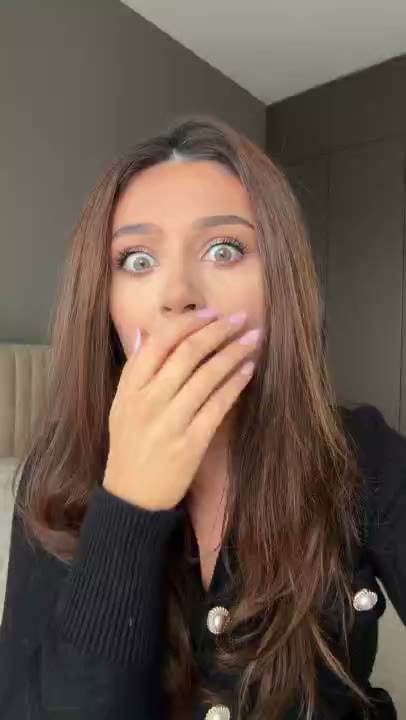

The brief
The fictional learning app in this example offers short phrase-practice sessions and remembers where a learner stopped. The creative brief is to explain that small interaction. It is not a report about a real student, a measured learning outcome, or a customer campaign.
AudienceAdults exploring a repeatable practice tool and a clear place to resume a lesson.
Feature in focusOpen a short phrase exercise, practice it, and return to saved progress later.
The creative challenge
A promise to become fluent would be much larger than the feature being demonstrated. An all-in-one learning pitch would make the opening hard to follow. The brief instead focuses on a moment a viewer can picture: having a short break and wanting one useful thing to practice.
How the concept comes together
1. Keep the source specific
Base the RE/UGC website brief on the practice feature, not aspirational claims about mastery. Verify the exercise and saved-progress behavior before naming them. Use demonstration data rather than student records when preparing any interface recording.
2. Test the reason to begin
Create one concept about available time, one about knowing what to practice, and one about returning to an unfinished session. A curious AI character can introduce each. Keep the language welcoming; the character should not pretend to be a learner reporting academic success.
3. Review the learning example
If adding a demo, record an actual exercise and have its content checked before publication. Show the action and the feedback, not a fabricated score. Assemble that recording separately from the branded reaction clip because RE/UGC does not create the app demonstration.
The proposed three-clip batch
Sample on-screen copy for this fictional brief. These are not published ads or customer quotes.
A short break. One phrase to practice.
Curious reaction. Connects an available moment with a small action.
Open the app and know what to practice next.
Curious reaction. Fits an actual next-exercise feature.
Your next session starts where you stopped.
Curious reaction. Explains saved progress without promising a learning outcome.
Review and export
The proposed output is a three-message batch with consistent creator and music choices. Review readability on a phone and avoid adding a second promise just to use more screen space. Repeat the source footage only as much as the caption needs, with any optional product recording added in an external editor.
How to evaluate the batch
Compare lesson starts and return-to-practice behavior if those events can be measured. Do not interpret video engagement as proof of learning. No people were enrolled and no campaign was run for this example; the case study documents a proposed creative process only.
The takeaway
A small, demonstrable learning action gives the message a clear boundary. It lets the creative explain what the app offers without inventing achievement or student experience.