TikTok Ad Examples: 12 App Ads Broken Down
Twelve TikTok ad structures for apps, broken down beat by beat — what each one does, why it works on cold traffic, and which stage of growth it suits.
App ads on TikTok have a narrow set of structures that reliably work, and a wide set that reliably don't. What follows are twelve that do — described as beat sheets rather than case studies, so you can build them rather than admire them.
Each includes the mechanism and the stage it suits. For the strategic frame around all of this, see how to promote an app on TikTok.
Cold traffic: earning the install consideration
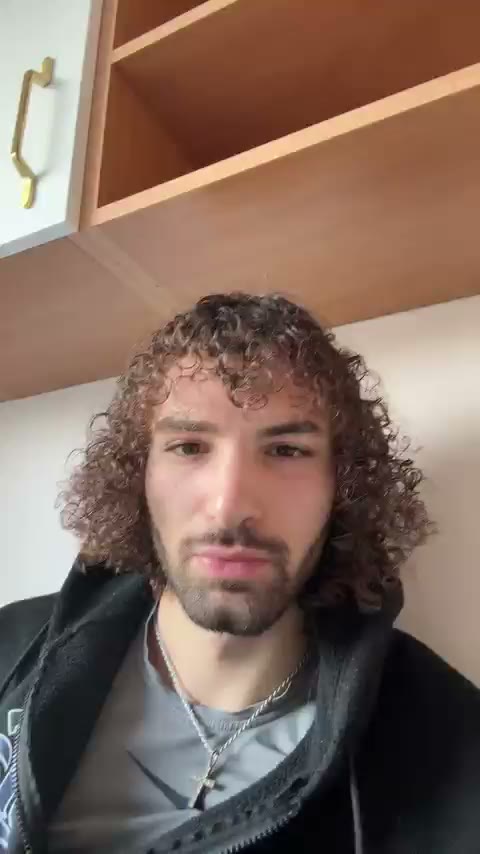
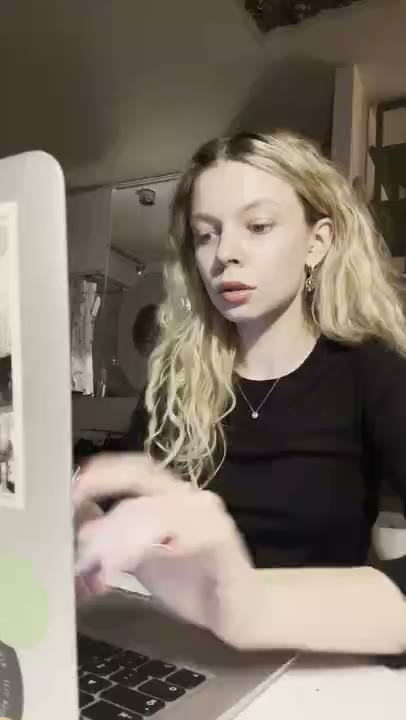
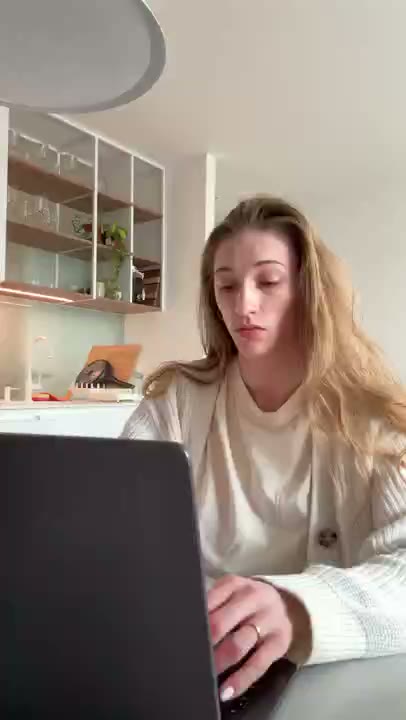
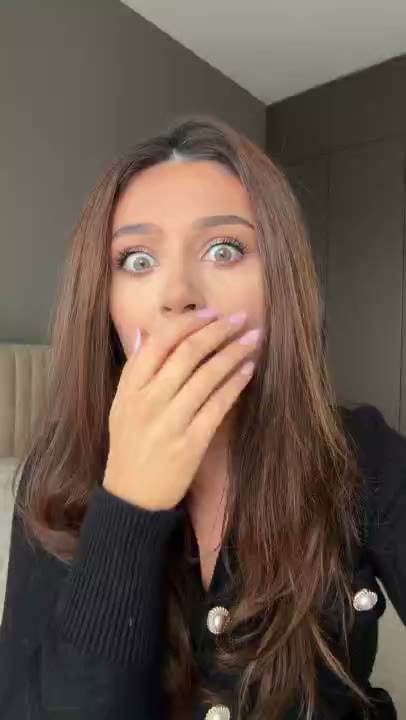
1. Reaction hook → wow feature
Beats: 3s real reaction + caption → hard cut to your single most surprising capability → one supporting feature → soft CTA. Mechanism: a human face secures the attention that a screen recording cannot. Stage: every stage. This is the default structure for a reason — start here before trying anything else.
2. The 'I found the app that…' discovery
Beats: 'I found the app that does your follow-ups for you' → demo → 'it's free.' Mechanism: framed as a discovery being shared rather than a product being sold. Positions the speaker as a peer who found something, not a brand announcing something. Stage: early, when nobody knows you exist.
3. The price-shock open
Beats: 'I was paying $40/month for what this does free' → demo → 'I cancelled the same day.' Mechanism: anchors against a known alternative, which does your positioning work in three seconds. Stage: strongest in crowded categories where the competitor is a household name.
4. The problem-agitate-solve skit
Beats: frustration acted out (11pm, spreadsheet) → 'every. single. month.' → the pivot → relief plus demo. Mechanism: enters the feed as content, not advertising — no frame of it looks like an ad. Stage: any, but requires someone willing to perform.
5. The result-first
Beats: phone showing a striking metric → 'one app did this' → demo of the app that produced it. Mechanism: undeniable outcome plus a narrow curiosity gap. Stage: requires real, impressive numbers — don't fake or round these.
6. The warning
Beats: 'You're losing money every month you do this manually' → the mistake shown → the fix demoed. Mechanism: loss aversion, which outperforms gain framing on cold traffic. Caveat: the payoff must genuinely deliver on the warning, or the exit signals damage the whole campaign.
Warm traffic: converting the considerers
7. The skeptic's testimonial
Beats: 'I wanted this to fail' → why they doubted → the test → grudging concession. Mechanism: naming the objection defuses it better than countering it. Stage: retargeting, where the viewer already knows what you do and is looking for a reason not to.
8. The founder demo
Beats: 'I built this because I hated doing X' → the personal problem, dated and specific → what you built, shown → an honest ask. Mechanism: origin credibility no hired creator can replicate. Stage: early and indefinitely — founder content ages well.
9. The comment-reply ad
Beats: real user question on screen → restate it → answer by demonstrating → invite more questions. Mechanism: built-in context plus implied community; proves people are already using and discussing the product without claiming it. Stage: once you have any comment volume at all.
10. The niche reframe
Beats: 'If you're a freelance designer, this one's for you' → their specific pain → the same demo, framed for them. Mechanism: specificity reads as relevance. Stage: any — and it's the cheapest variation you can produce, since only narration changes.
Retention and depth
11. The 'still using it' follow-up
Beats: 'Three months later — do I still use it?' → honest usage report → the feature that turned out to matter → a qualified verdict. Mechanism: answers the durability objection that kills subscription conversions. Stage: once you have users with real tenure.
12. The workflow integration
Beats: a normal day, product appearing three times, never as the subject. Mechanism: demonstrates habitual use rather than claiming it. Stage: best for retention-dependent products where the question is whether it sticks, not whether it works.
What all twelve share
- A face or a number in frame one. Never a logo, never an app icon, never a fade.
- Hard cut into the payoff by second three. Every second between hook and demo leaks viewers.
- One surprising capability, not a feature tour. A video about six things is a video about nothing.
- Specific numbers over general claims. '$400 in unbilled hours' beats 'saves you money.'
- Soft CTA. 'It's free to try' outperforms 'download now' in short form.
- Under 20 seconds. Completion rate is a strong distribution signal on TikTok.
Structures that consistently fail
- The feature tour. Menus, settings, everything in order. Answers a question nobody asked.
- The logo open. The most expensive frame in the video, spent identifying yourself as skippable.
- The repurposed brand film. Landscape, scored, colour-graded. Reads as television and gets treated as such.
- The talking-head with no hook. 'Hey guys, so today I want to tell you about…' is four seconds of paid dead air.
- The over-produced skit. Once it looks like it had a budget, it stops looking like a person.
Frequently asked questions
What makes a good TikTok ad for an app?
A human hook in the first three seconds, a hard cut to one surprising capability rather than a feature tour, specific claims instead of general ones, and a soft CTA — all under twenty seconds so completion rate stays high.
How long should a TikTok app ad be?
15–20 seconds for install campaigns. Long enough to hook, show the wow moment, and add one supporting feature; short enough to keep completion rate high, which is a strong distribution signal.
Should TikTok ads look professional?
No. Production polish signals advertising, and advertising gets skipped. Phone-shot, handheld, slightly imperfect content consistently outperforms studio creative on TikTok — the roughness is the strategy, not a compromise.
How many different ad structures should I test?
Start with the reaction-hook structure since it works across nearly every stage, then test three or four others against the same demo. Because most structures reuse identical demo footage, testing many is a matter of swapping openers and narration.
Why do my TikTok app ads get views but no installs?
Usually the hook works but the demo doesn't pay it off, or the app store listing breaks the momentum. Check hold rate first — strong hold with weak CTR points at the middle of the ad; strong CTR with weak installs points at your store page.